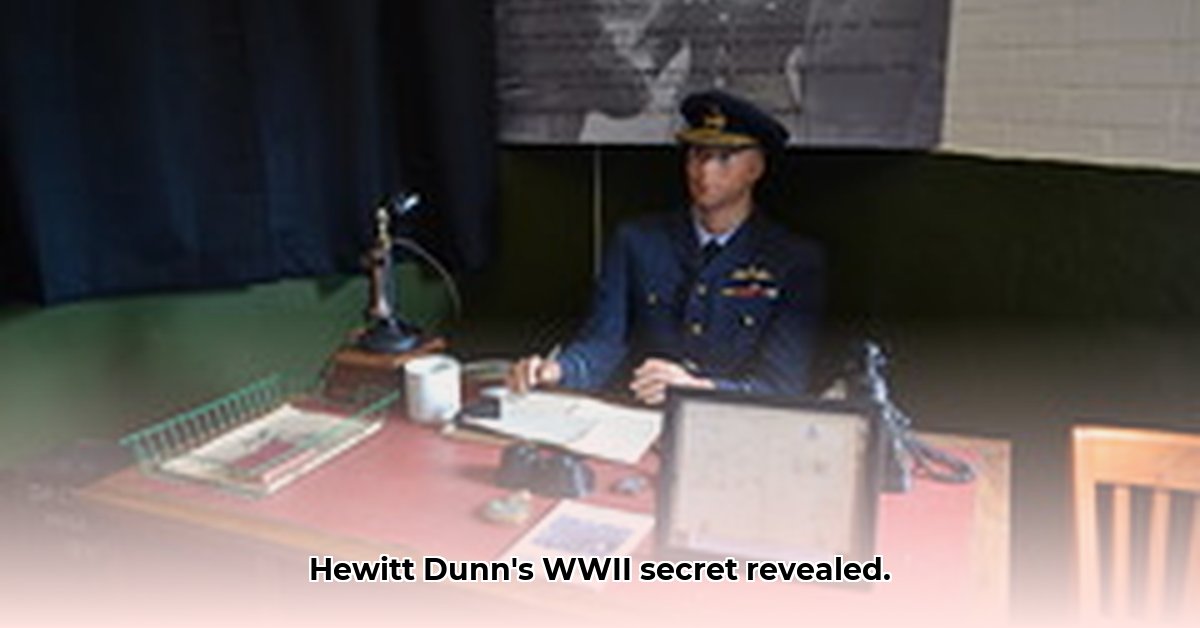
Hewitt Dunn: A WWII Hero's Unfinished Story
Sergeant Hewitt Dunn, a B-17 gunner, earned the moniker "The Iron Man" for his extraordinary service during World War II. He flew over 100 combat missions, a feat that speaks volumes about his courage and skill. Imagine the relentless terror, the ever-present threat of death from the skies above. Yet, accounts portray him as remarkably calm under pressure, possessing an almost uncanny ability to anticipate danger. His reputation among his peers was legendary. However, detailed records of his heroism are surprisingly scarce, creating a frustrating gap in his documented history. Why is there such a lack of official recognition for such a courageous individual? This omission itself raises questions.
This remarkable narrative of wartime heroism is counterpointed by the unsettling ambiguity surrounding Dunn's death in 1961. Was it a tragic accident, as the official narrative suggests? Or does a more complex truth lie beneath the surface? Conflicting accounts abound, fueling speculation of a potential Air Force cover-up, perhaps linked to the turbulent political climate of the early Vietnam War era, or even a personal tragedy hidden from public view. The lack of concrete evidence, the missing pieces of the puzzle, only intensify the mystery. Where are the missing documents? Why the inconsistencies in the recollections of those who knew him? These unanswered questions demand scrutiny.
The enigma surrounding Hewitt Dunn's death presents a disturbing juxtaposition – a man who demonstrated exceptional courage in the face of incredible danger, yet whose final moments are obscured by conflicting narratives. How can we reconcile the legend of this remarkable airman with the frustrating lack of clarity surrounding his demise? The discrepancy is unsettling and points towards a critical need to re-examine the official narrative. Can we accept these contradictory accounts, or is it our responsibility to pursue the truth? The weight of his service demands a more thorough investigation.
To begin unraveling this mystery, let's examine what's known and what remains unknown:
| Aspect | Known Facts | Unanswered Questions |
|---|---|---|
| Wartime Service | Exceptional B-17 gunner, over 100 missions flown, renowned for calm under fire. | Specific details of individual missions, awards, and commendations are largely missing. |
| Circumstances of Death | Died in 1961; conflicting accounts include accident, potential cover-up, family issues. | Lack of definitive official records, inconsistencies in eyewitness testimonies. |
| Post-War Life | Served in the Air Force post-war; details of this period are scarce. | Full extent of his post-war contributions, achievements, and personal struggles are unknown. |
| Recognition and Legacy | Relatively unknown despite extraordinary wartime service; few official commemorations. | Why has his heroic service been largely overlooked in historical accounts? |
The story of Hewitt Dunn transcends the specifics of his life. It's a reflection on how we remember, or fail to remember, our heroes. It speaks to our responsibility to ensure accurate historical accounts, especially for those who made such profound sacrifices. The current uncertainty surrounding his life and death is not merely a matter of historical curiosity; it highlights larger issues of transparency, accountability, and the proper honoring of veterans' contributions. We owe it to Dunn's memory to pursue the truth. This requires a focused effort:
Steps Toward Unveiling the Truth:
Declassification of Military Records: A thorough review of relevant Air Force records pertaining to Dunn's service and death is essential. This includes a close examination of documents that may have been previously classified.
Comprehensive Witness Interviews: Locating and interviewing surviving members of Dunn's squadron is crucial. Their firsthand accounts could provide significant insights.
Thorough Archival Research: A rigorous examination of local and national newspaper archives from the relevant periods could unearth overlooked news articles or other relevant information.
Expert Consultation: Historians specializing in military history and Cold War intelligence can provide invaluable interpretation and guidance.
Cross-referencing Information: Carefully comparing information from various sources will help identify discrepancies and potential leads.
The mystery surrounding Hewitt Dunn's death shouldn't be dismissed as an intriguing historical puzzle. This is a call to action. Until these steps are taken, a significant portion of Dunn's legacy will remain obscured. It is an opportunity missed to fully acknowledge the bravery and sacrifice of a true American hero. Uncovering the truth is not simply about satisfying curiosity; it's about righting a historical injustice and ensuring that future generations understand the sacrifices made by individuals like Dunn. He deserves a legacy untainted by ambiguity. He deserves full recognition as a true American hero. The time for speculation is over; it’s time for a thorough investigation.
How to Uncover the Truth Behind Sergeant Hewitt Dunn's Death
Key Takeaways:
- Sergeant Hewitt Dunn, a highly skilled B-17 tail gunner and bombardier, flew over 100 missions during WWII, earning the nickname "The Iron Man."
- His death in 1961 remains a mystery, marked by conflicting accounts and a lack of clear documentation.
- Uncovering the truth demands a meticulous investigation into declassified military records and potentially overlooked historical documents.
- Understanding historical reporting biases is essential for a complete picture.
- The difficulties in accessing and interpreting these records highlight broader issues of transparency and support for veterans.
The Iron Man's Flight: A Legacy of Mystery
The name Hewitt Dunn conjures images of daring aerial battles over war-torn Europe. He was a legend, a B-17 tail gunner and bombardier who undertook an astounding number of missions. But his story isn't just about heroism; it's about the persistent mystery of how to uncover the truth behind Sergeant Hewitt Dunn's death. A mystery that lingers to this day. How do we unravel the enigma surrounding the end of this war hero’s life?
A Hero's Obscured Demise: Contrasting Narratives
Dunn's exceptional combat record is undeniable. The exact number of missions he flew, however, remains a point of contention, highlighting a pattern of missing information. The circumstances surrounding his death in 1961 are even more shrouded in uncertainty, leaving more questions than answers. One account describes a violent end, fueling speculation. Another suggests an accidental shooting, an explanation that feels suspiciously convenient. The truth, seemingly, is hidden within the gaps—a pattern that continues throughout the available information.
Unearthing the Truth: A Path Forward
Uncovering the truth behind Sergeant Hewitt Dunn's death requires a multifaceted approach:
Access Declassified Records: Request access to declassified military records, meticulously examining flight logs, personnel files, mission reports, and historical newspaper accounts.
Cross-Reference Sources: Compare information from diverse archival sources, looking for inconsistencies and considering any potential reporting biases of the era.
Locate Primary Sources: Interview individuals who served with Dunn or who knew him personally. Even anecdotal evidence may be invaluable.
Contextualize the Narrative: Recognize that the account of Dunn's death was shaped by societal attitudes toward veterans, particularly those experiencing the impact of war.
This isn't just about uncovering the details of Dunn's death; it’s about understanding the challenges faced by veterans, the complexities of military record-keeping, and how conflict shapes narratives. Hewitt Dunn deserves a complete, accurate narrative, not a sanitized version. Solving this mystery is about honoring his legacy, a legacy that transcends mere historical curiosity. This is how we uncover the truth behind Sergeant Hewitt Dunn’s death.